
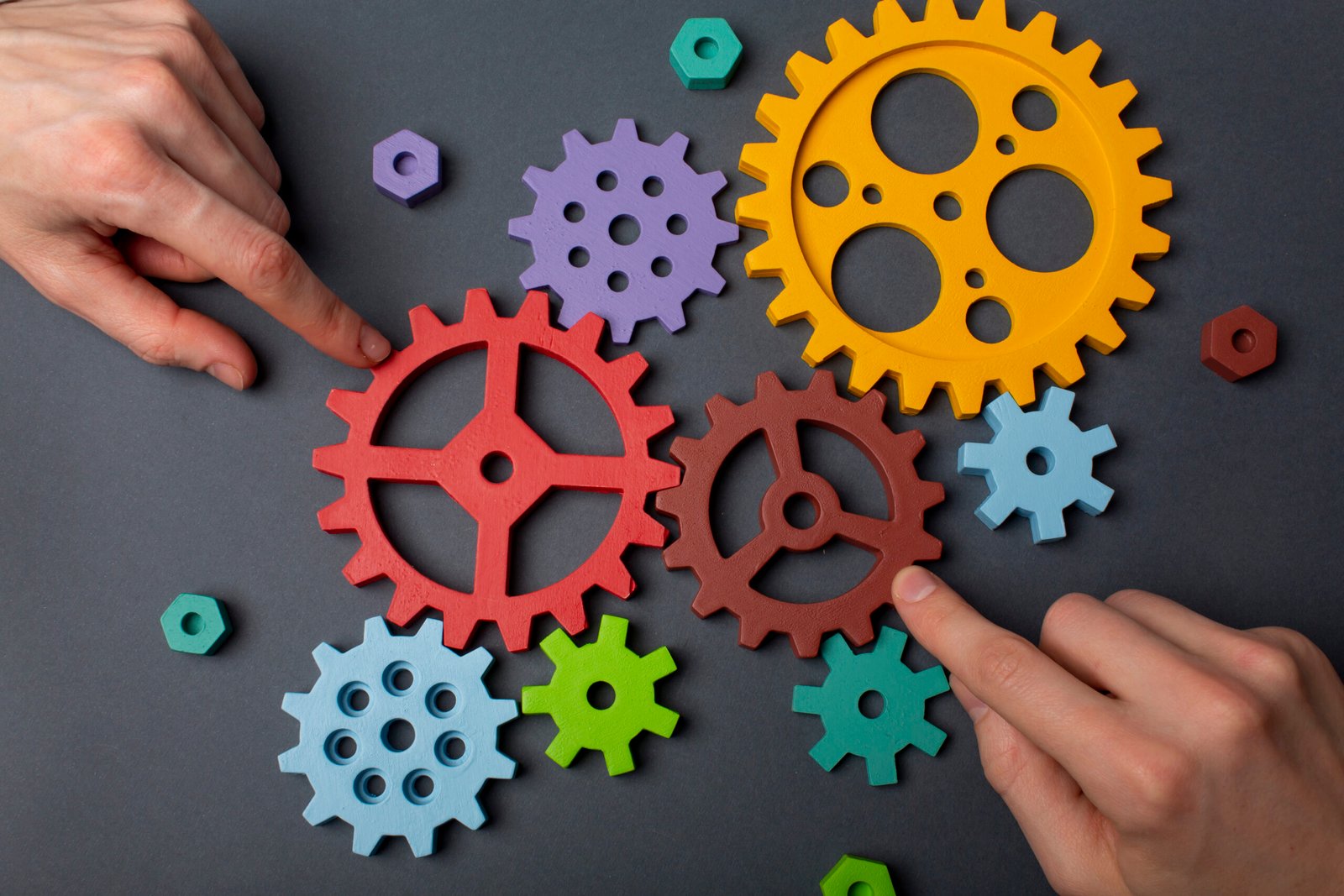
Outdated Agile Habits Hurt Everyone
When is it time for a team to review its Agile ceremonies? Is Agile training only for your new hires? More importantly, when does a team slip into the dangerous mindset of: “We already know Agile; we don’t need any updated training!”?
Teams frequently become comfortable with the rhythm of daily ceremonies. Thus, reducing Agile practices to routine checkboxes rather than strategic moments to reinforce alignment and refine skills. This habitual approach erodes discipline and weakens capability.
Agile doesn’t break overnight—it erodes quietly, one unchecked habit at a time.
What should be a shared practice for a cohesive Agile team becomes a passive routine. And the team quietly steps away from the behaviors they worked so hard to develop. A team can quickly be impacted and efficiencies lost when training is overlooked—especially for new and or returning team members who’ve “done Agile before.”
The “Boomerang” Trap
Recently, I was copied on an invite for a SAFe (Scaled Agile Framework) for Teams training session targeted to all employees hired within the last 30 days. This two-day deep dive into Lean-Agile principles, PI Planning, and high-performing team dynamics was exactly what new hires needed to integrate quickly and effectively.

But during a daily sync, a returning employee, a “boomerang” hire who had been gone for two years, but still considered himself a veteran, said something that stopped me cold:
“I completed Agile training four years ago when we started
Agile, so I don’t need to attend. I know Agile already!”
As an Agile Coach and active Scrum Master, I knew this couldn’t be further from the truth. Agile isn’t a one-and-done certification; it’s a living system.
The skills taught four years ago had evolved—and so had the project. The team’s growth was supported by multiple micro-learning sessions after that initial training… four long years ago.
While the founding principles of the Agile Manifesto remain timeless, the newer, more advanced Agile operating model “SAFe” had evolved significantly. We weren’t just “doing” Agile anymore. The team evolved with the updates and had built a sophisticated model of efficiency and continual improvement that looked nothing like the process he remembered.
Skipping training wouldn’t just leave him “a little behind.” It would have pulled outdated habits back into the system: interrupting updated Agile team dynamics, slowing alignment, disrupting flow, and forcing the team to compensate for gaps we’d already eliminated.
And this isn’t only true for brand‑new hires. Experienced practitioners joining an established Agile team also need onboarding. Prior Agile experience doesn’t automatically translate to the team’s current practices, norms, or working agreements. Assuming it does is where misalignment begins.
Stop Repeating the Past. Start Scaling the Future.
Many organizations fall into what I call “Zombie Agile”—going through the motions of the framework without understanding the current why or how unique to their team. New hires need training to onboard effectively. But veteran team members also need refreshers to avoid dragging old patterns into a modern Agile environment.
When only new employees are trained, you create a two‑speed system:
- New team members who understand the current framework
- Long‑tenured employees operating on outdated assumptions.
That gap becomes a silent productivity killer.
The best high‑performing teams recognize that learning never ends. They treat training not as a one‑time event, but as an ongoing discipline that keeps the team aligned, adaptive, and moving forward together—instead of slipping back into the comfortable, but costly patterns of the past.
The Real Question: Is Your Team Truly Agile—or Just Comfortable?
The belief that “training is finished” with a single Agile course, is one of the biggest threats to a high‑performing team. Continuous improvement isn’t just for your software; it’s for your people.
And the urgency is real:
- Outdated Agile habits slow down PI Planning
- Misaligned ceremonies create friction across teams
- Returning employees can unintentionally reintroduce old anti-patterns
- New hires struggle when the team’s behaviours don’t match the training
If you don’t address these gaps proactively, they will show up in your delivery metrics, team morale, and ultimately, your customer (or client) outcomes.
How CLSC Strategic Consulting Helps You Break the Cycle
At CLSC, we specialize in closing the gap between “following a process” and delivering real value.
What makes us different?
- We don’t deliver generic Agile training. We tailor it to your actual ART, your ceremonies, and your team’s maturity.
- We audit your current practices to identify where outdated habits are creeping in.
- We align new-hire training with existing-team refreshers so everyone operates from the same modern playbook.
- We help teams evolve, not just comply.
Your team doesn’t need more checkboxes. They need clarity, alignment, and a shared understanding of what Agile looks like today—not four years ago.
Ready to refresh your team’s mindset and accelerate delivery?
High‑performing teams don’t happen by accident. Let’s make sure your new hires, and your existing team, are equipped for the Agile environment you’re operating in now. Not the one you left behind.